Intermountain Heath experts give tips to reduce risk, especially for traveling moms
Salt Lake City, UT (PRUnderground) July 26th, 2026
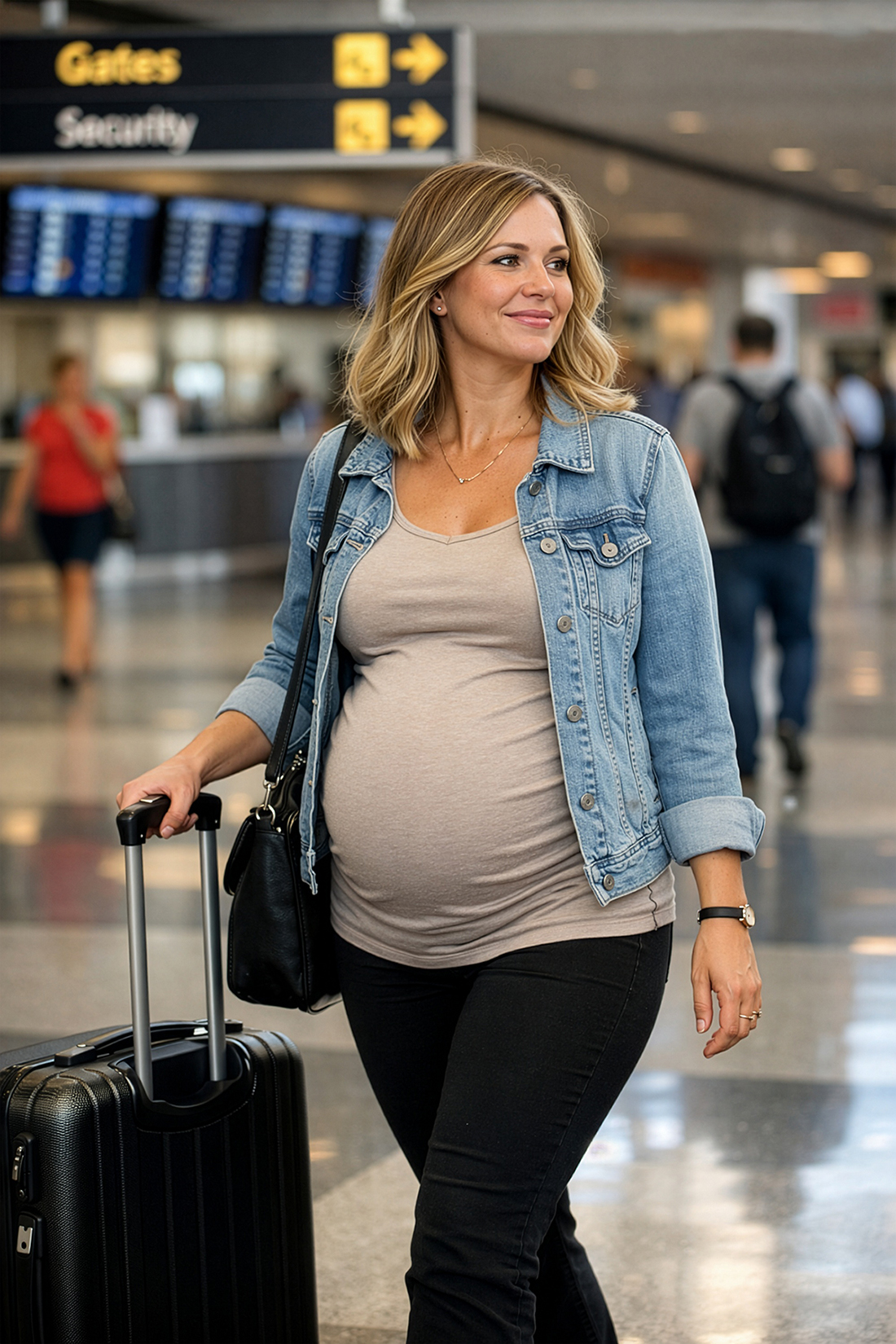
Pregnant and postpartum women are at a higher risk for potentially life-threating blood clots than nonpregnant women.
“Blood clots, also called thromboembolism, can be both arterial or venous, with about 80% of blood clots in pregnancy being venous in nature. Venous thromboembolism is one of the leading causes of maternal morbidity and mortality in the United States,” said Dr. Jennifer Merriman, a maternal fetal medicine physician at Intermountain Health in the Salt Lake City area who specializes in high-risk pregnancy.
“Maternal blood clots can lead to adverse health outcomes such as stroke, heart attack, or pulmonary embolism in the lungs.”
According to medical research on pregnant and postpartum women, pregnancy and the weeks after delivery increase a woman’s risk of a blood clot by about four to five times.
“Pregnancy is a time when the body naturally becomes more prone to clotting to protect against excessive bleeding or hemorrhage during childbirth. When you add an increased risk of clotting to increased venous stasis (when blood moves slowly or pools) and compression of the maternal pelvic vessels by an enlarging uterus, there is an increased risk of blood clots which can be dangerous,” said Dr. Merriman.
“The risk of venous thromboembolism is increased both during pregnancy and up to 4-6 weeks after childbirth, particularly the first week postpartum,” she added.
Why pregnancy increases blood clot risk:
- Pregnancy changes how blood flows and clots due to both physiological and hormonal changes – During pregnancy, the body naturally makes blood more likely to clot to prevent heavy bleeding during delivery.
- Slowed venous return from the lower extremities (legs), especially later in pregnancy – The growing maternal uterus puts pressure on pelvic veins, which slows circulation in the legs.
- Risk of blood clots is highest in the 4-6 weeks postpartum – The postpartum period, particularly the first week postpartum, carries the greatest risk of blood clots because the body is still healing from childbirth.
An increased risk of blood clots is just one of many reasons why it’s important that moms consistently go to their prenatal care visits with their OB-GYN or midwife throughout their pregnancy and go to their postpartum checkups.
Traveling or sitting for long periods while pregnant or in the weeks postpartum can further increase the risk of blood clots.
Things to do during activities that require lots of sitting
- Flex and stretch your legs regularly while sitting
- Intermittent movement to keep the blood flowing from the lower extremities back to the heart.
- On long car rides or flights, stand up or walk every one to two hours.
- Stay well hydrated. Drink plenty of water—especially in hot weather.
“I often tell my pregnant patients to write the alphabet in the air with their toes during long travel days. It gets the muscles moving for a few minutes each time you do it,” said Dr. Merriman. “Some women may need compression stockings or additional preventive steps to reduce their risk of blood clots during times of prolonged sitting or travel.”
Know the warning signs of a blood clot and seek emergency care right away
- Swelling, pain, or redness in the leg
- Chest pain or shortness of breath
“If we suspect a blood clot, we use imaging like ultrasound to confirm it, but treatment options during pregnancy can be limited, which is why prevention and early recognition are key,” said Dr. Tyler.
For more information or to find an OB-GYN, certified nurse midwife, or maternal fetal medicine specialist visit the pregnancy and baby page at intermountainhealth.org.
About Intermountain Health
Headquartered in Utah with locations in six states and additional operations across the western U.S., Intermountain Health is a nonprofit system of 34 hospitals, approximately 400 clinics, medical groups with some 4,600 employed physicians and advanced care providers, a nonprofit health plan called Select Health with more than one million members, and other health services. Helping people live the healthiest lives possible, Intermountain is committed to improving community health and is widely recognized as a leader in transforming healthcare by using evidence-based best practices to consistently deliver high-quality outcomes at sustainable costs. For up-to-date information and announcements, please see the Intermountain Health newsroom at https://news.intermountainhealth.org/. For more information, see intermountainhealth.org/ or call 801-442-2000.
The post Pregnancy and Postpartum Period Raises Blood Clot Risk, According to Intermountain Health first appeared on
Original Press Release.